
 Login
LoginOr login with:


Theory Of Machines
Mechanisms
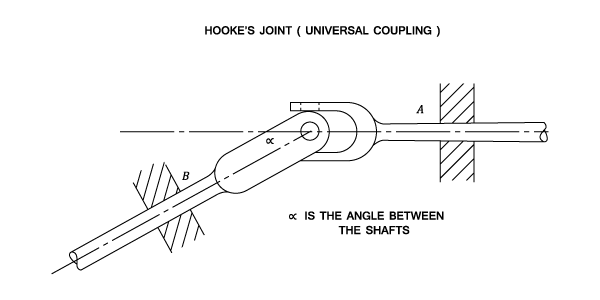
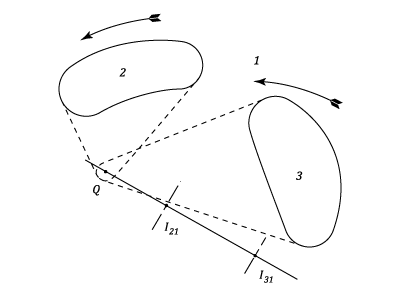
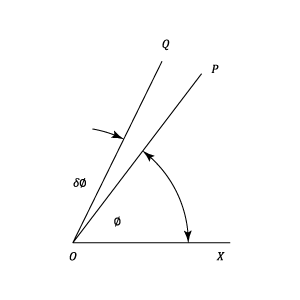
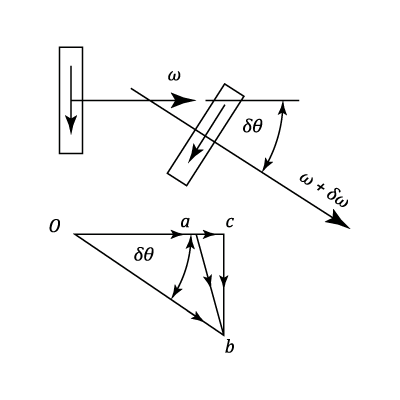
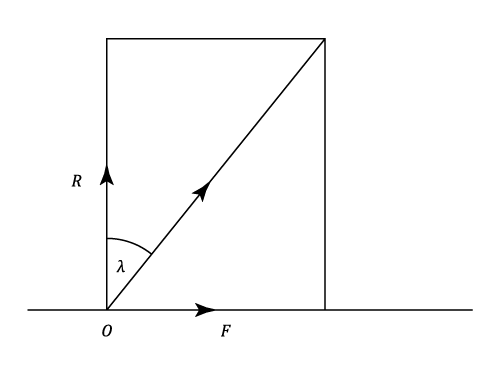
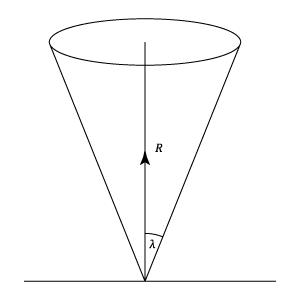
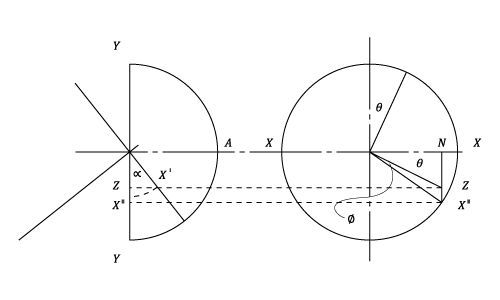
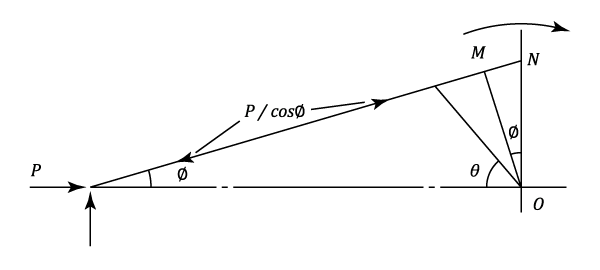
An intoduction to the theory of Machines which includes instantaneous centres, friction circle,and Hookes Joint.
Cams
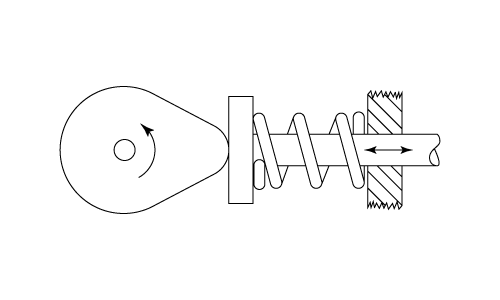
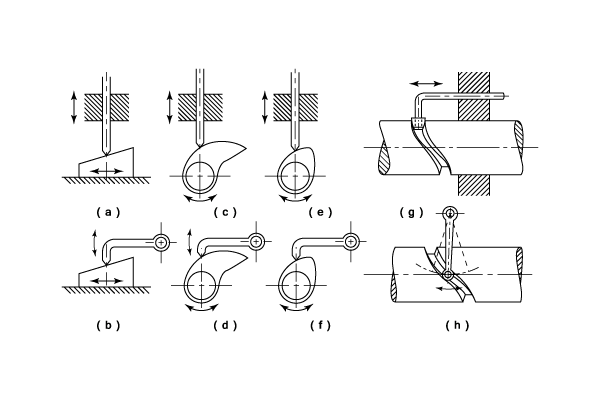
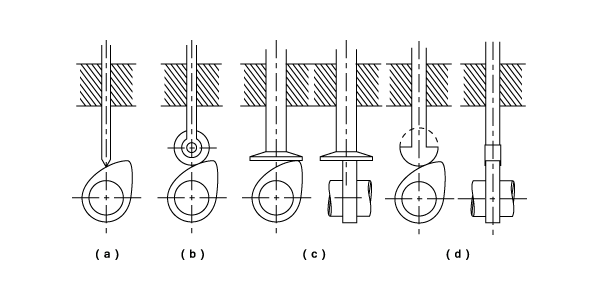
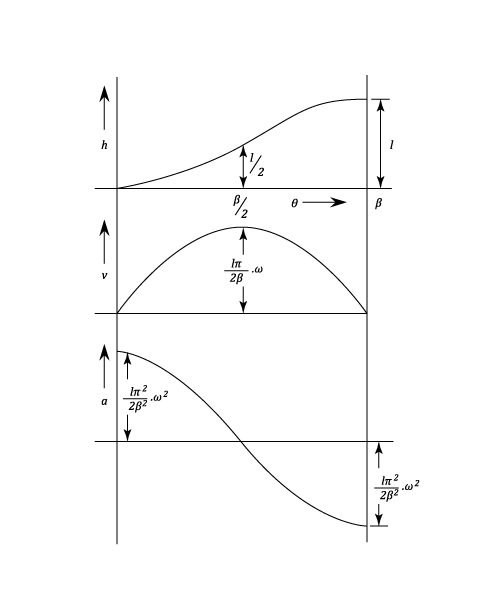
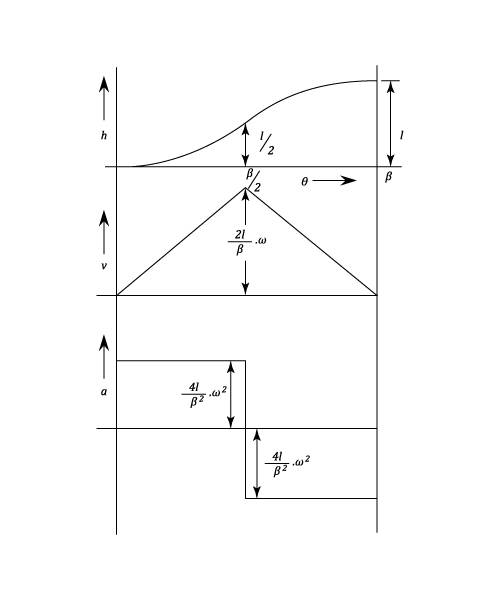
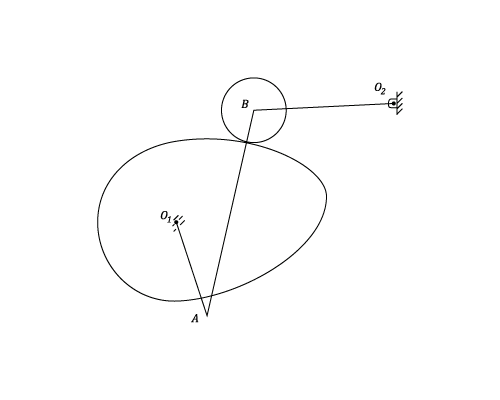
Cams; their profiles and the velocity and acceleration of their associated followers
The Geometry of Gears
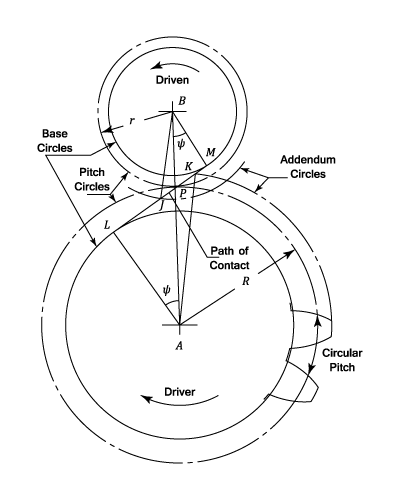
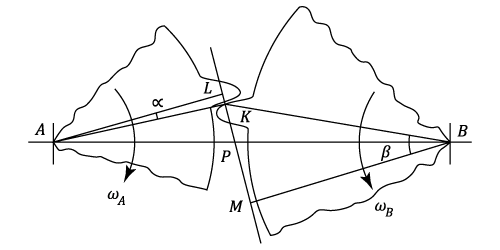
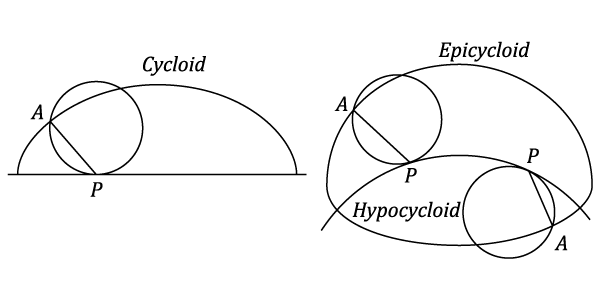
The geometry of both Cycloid and Involute gears. An analysis of the motion between two teeth and the calculation of the path of contact.
Gear Trains
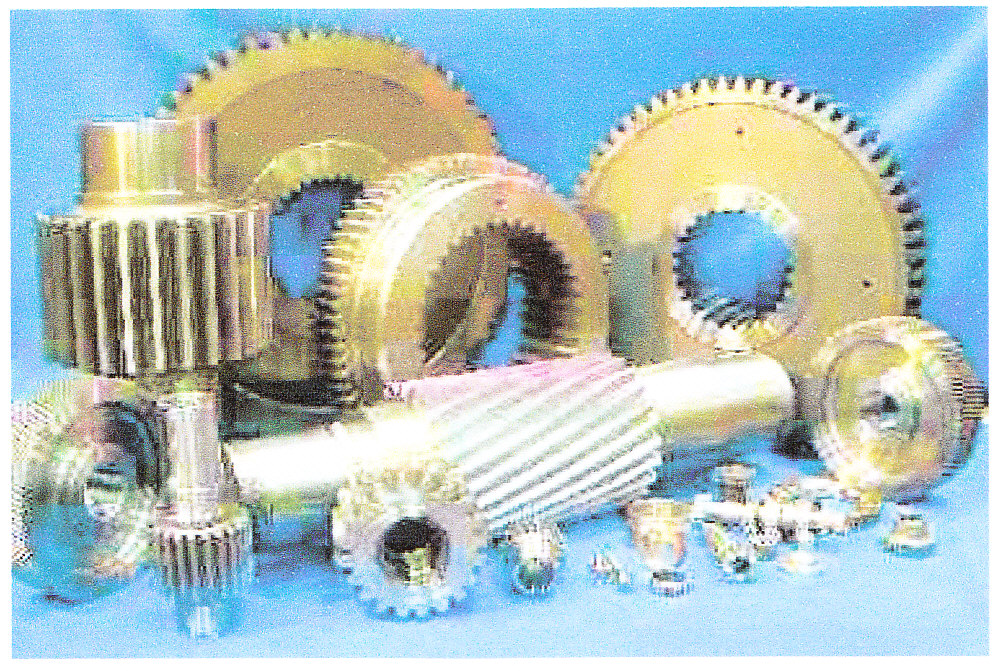
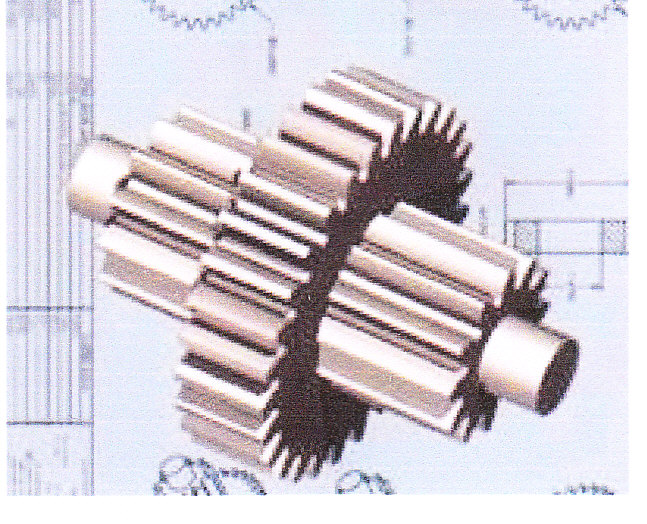
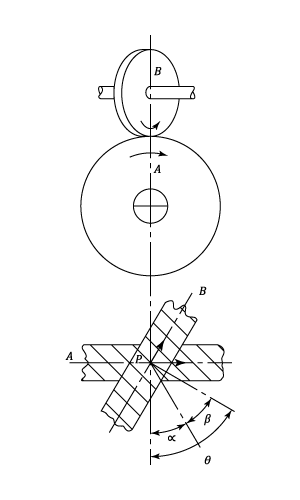
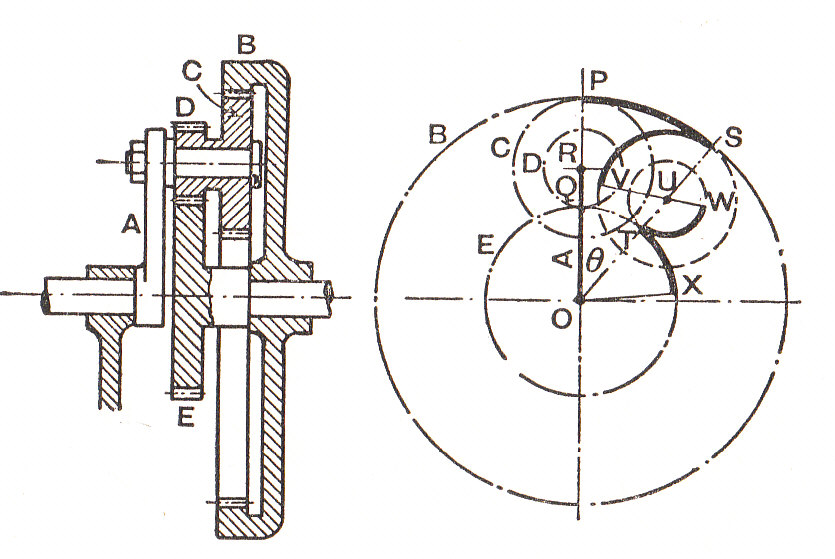
An analysis of Gear Trains with particular reference to Epicyclic Gears.
Screw Threads
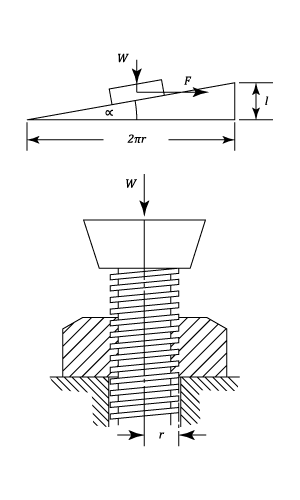
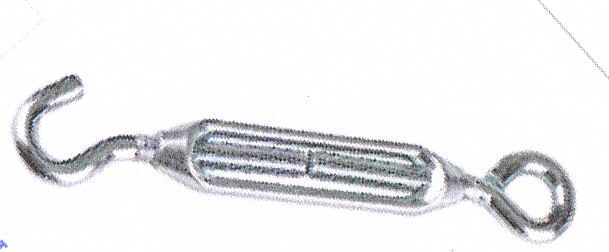
An analysis of the torque required to turn a screw thread against a known load.



Clutches
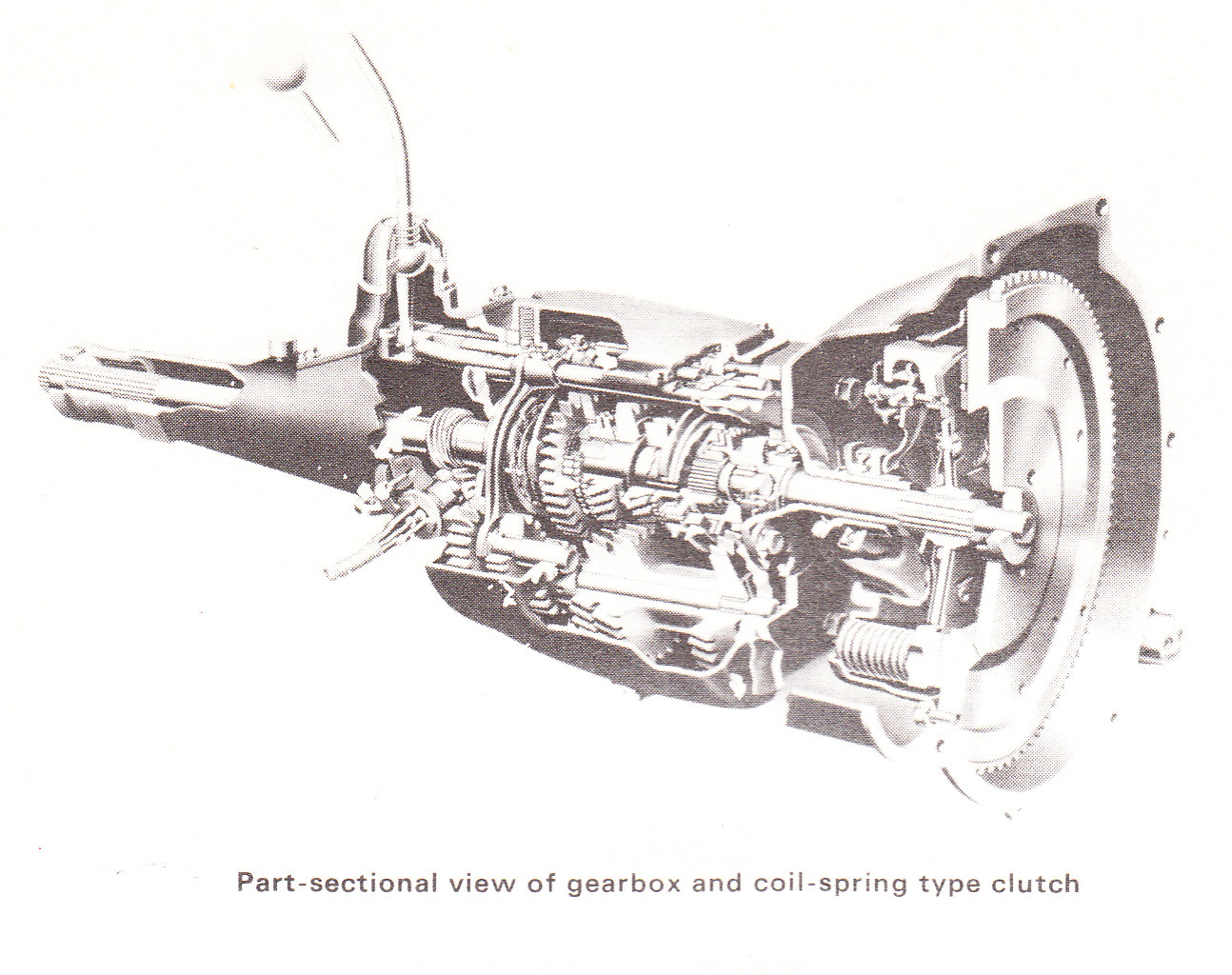
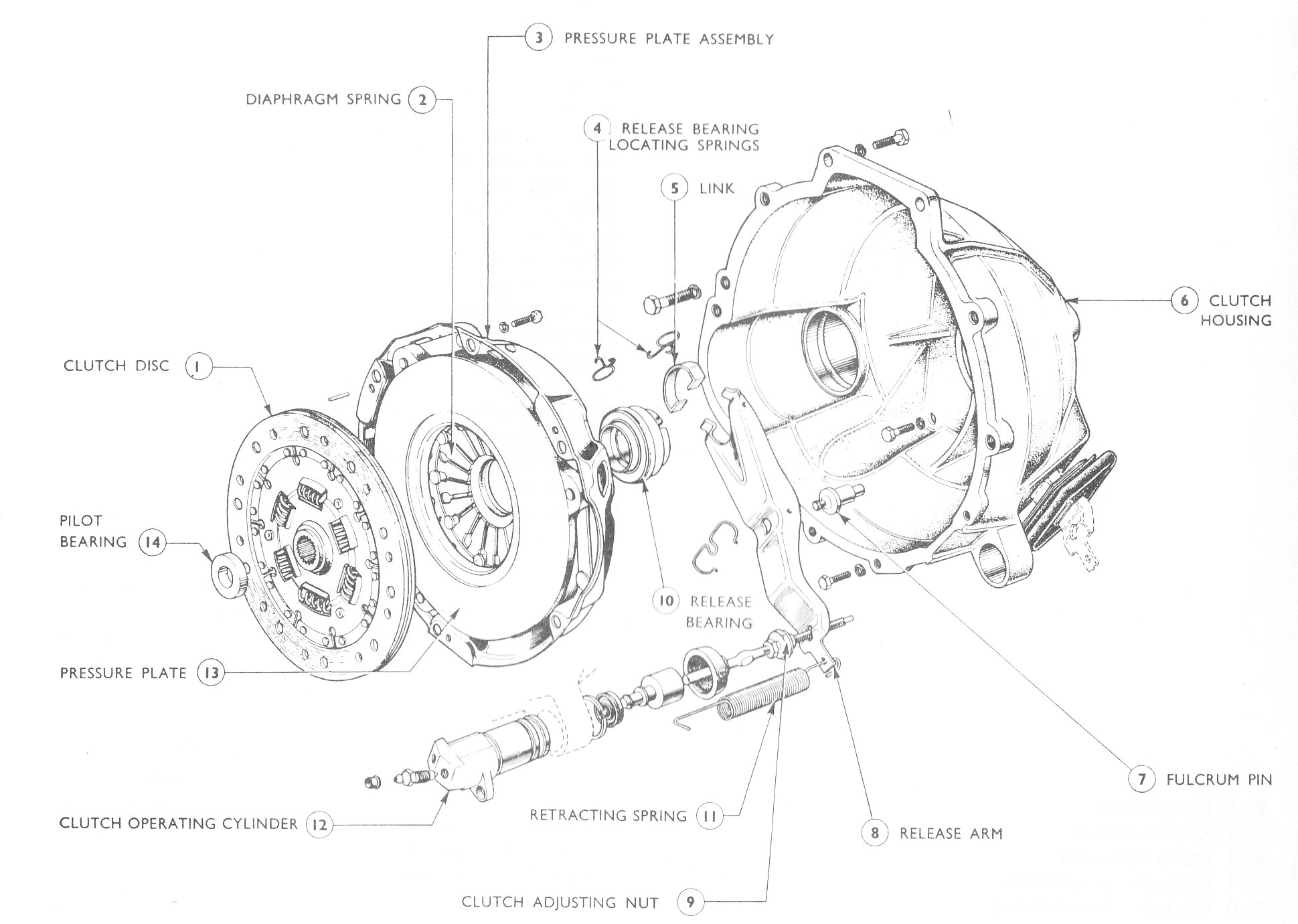
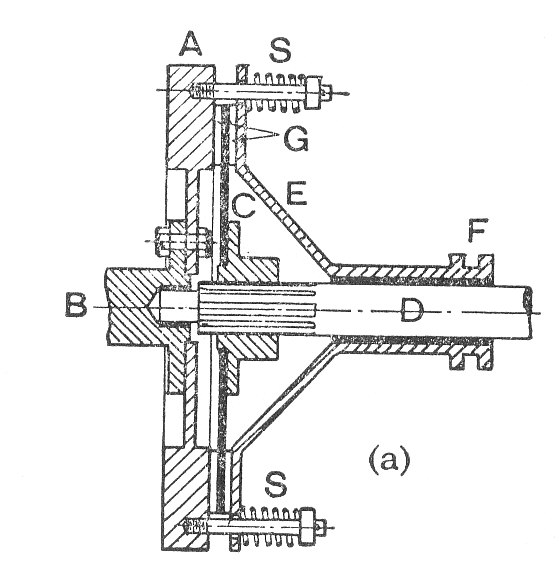
Friction clutches with examples on single, multiple and conical plates.

Belt and Rope Drives Brakes
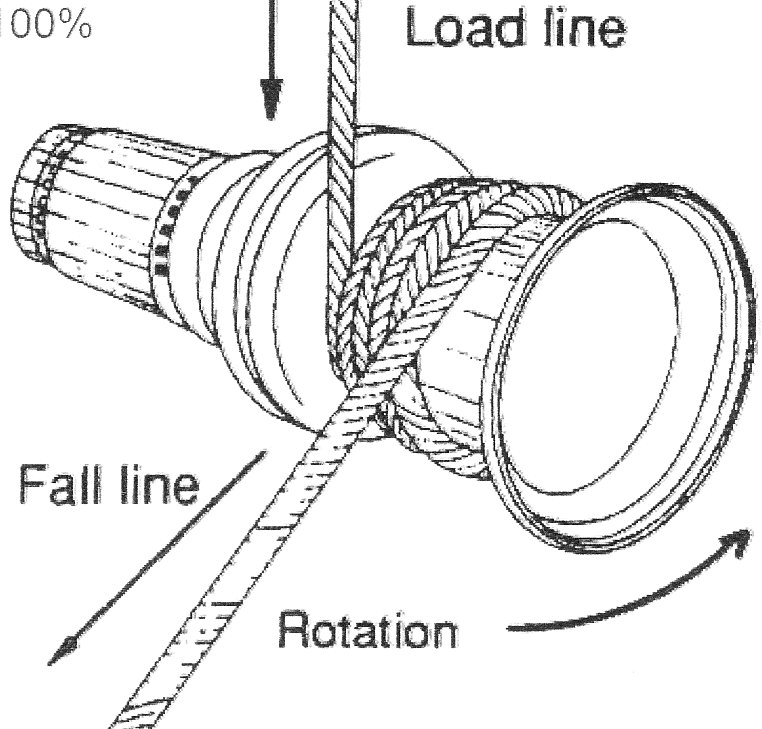
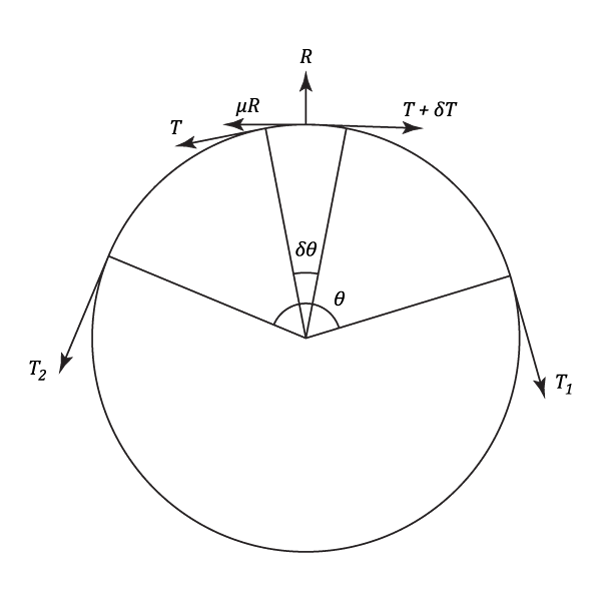
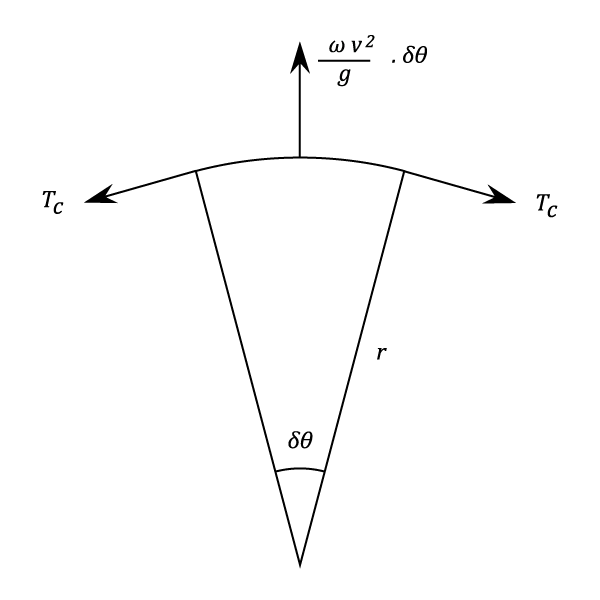
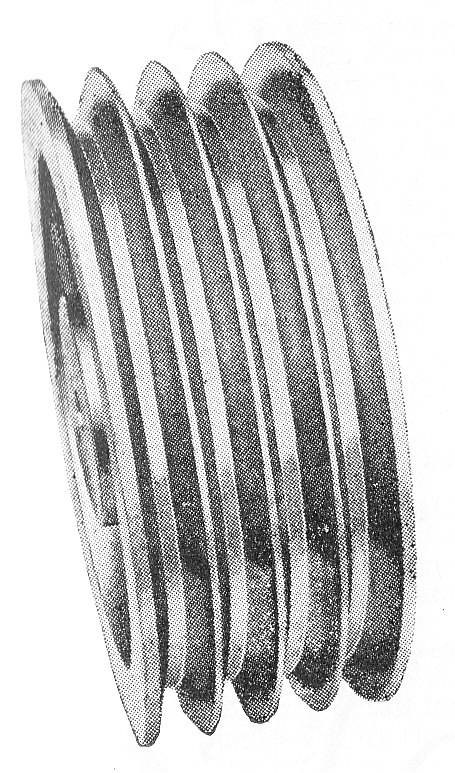
The Theory behind Belt and Rope drives using both Flat and Grooved pulleys. Included in this section are drum brakes.



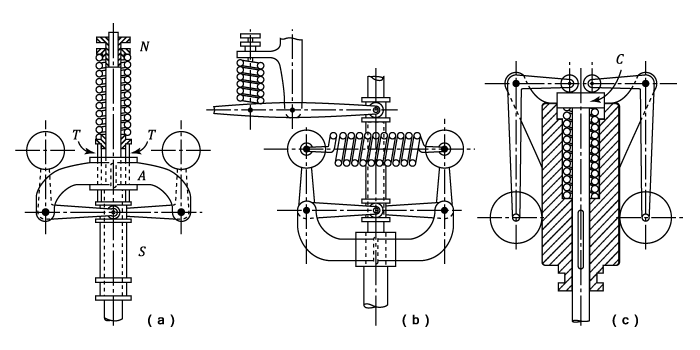
Engine Governors
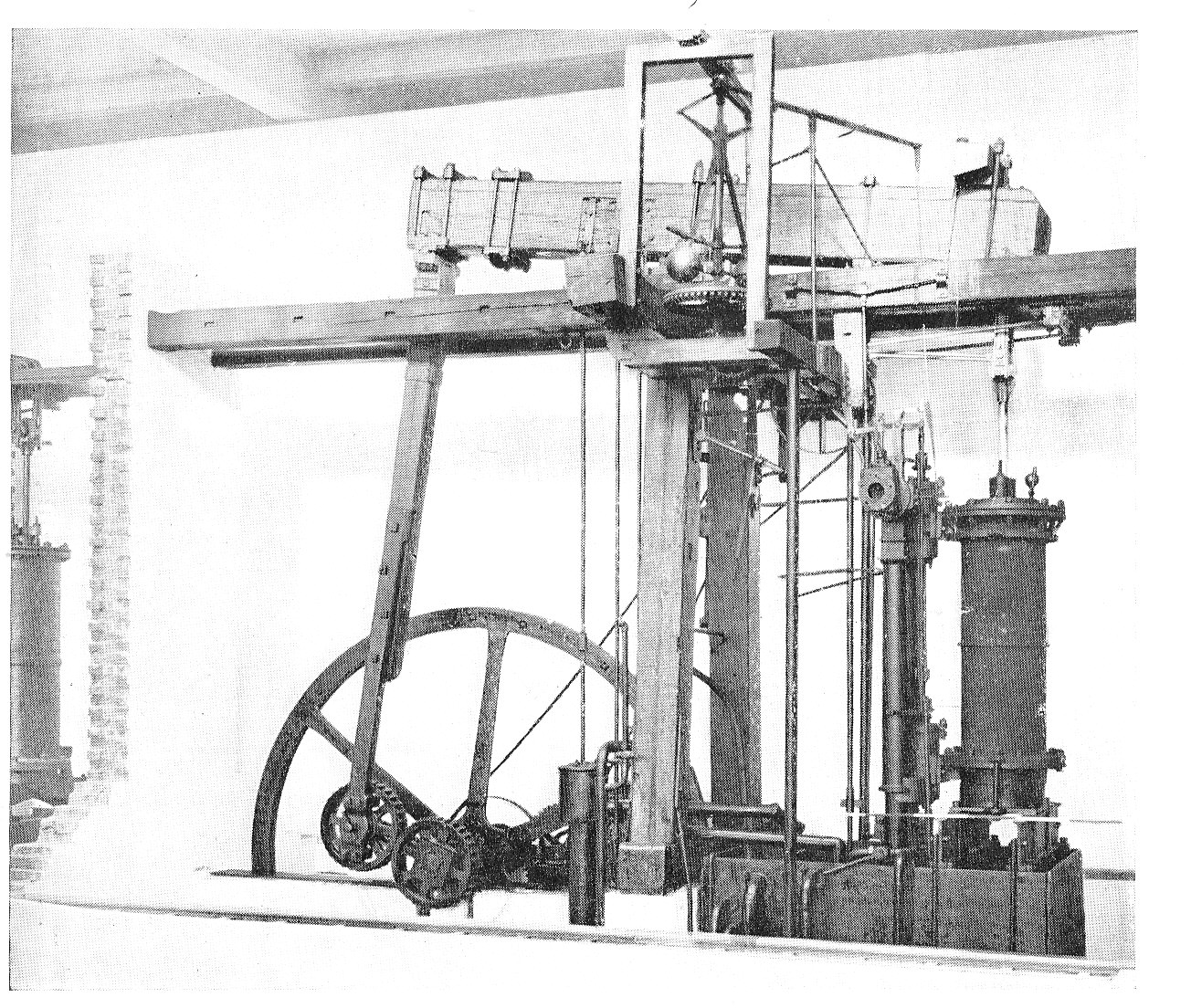
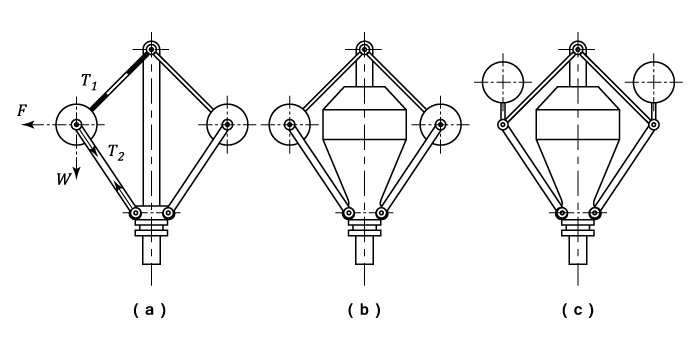
Centifugal and Inertia Engine Governors.
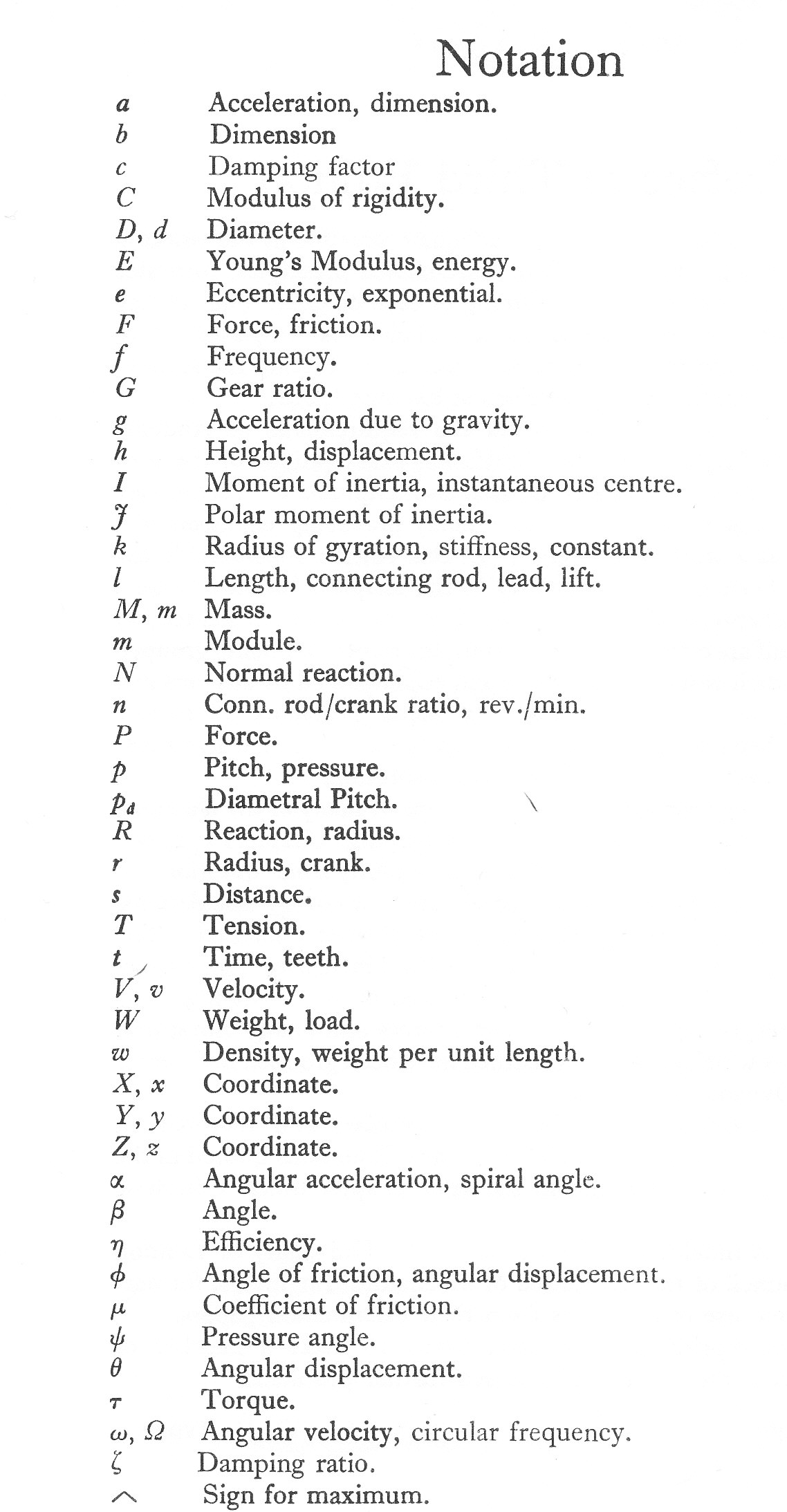
Notations
Notations used in the pages on the Theory of Machines.
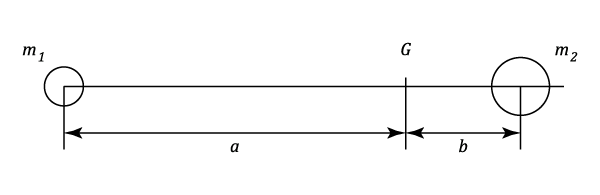
Inertia Forces and Couples
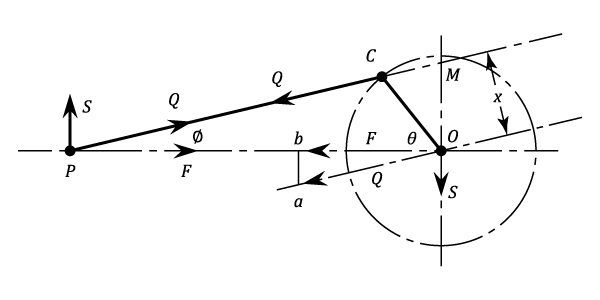
Inertia Forces and Couples with particular reference to Reciprocating Engines.
Turning Moment Diagrams
Turning Moment Diagrams with particular reference to Engines and Flywheels.
Balancing of Inertia Forces
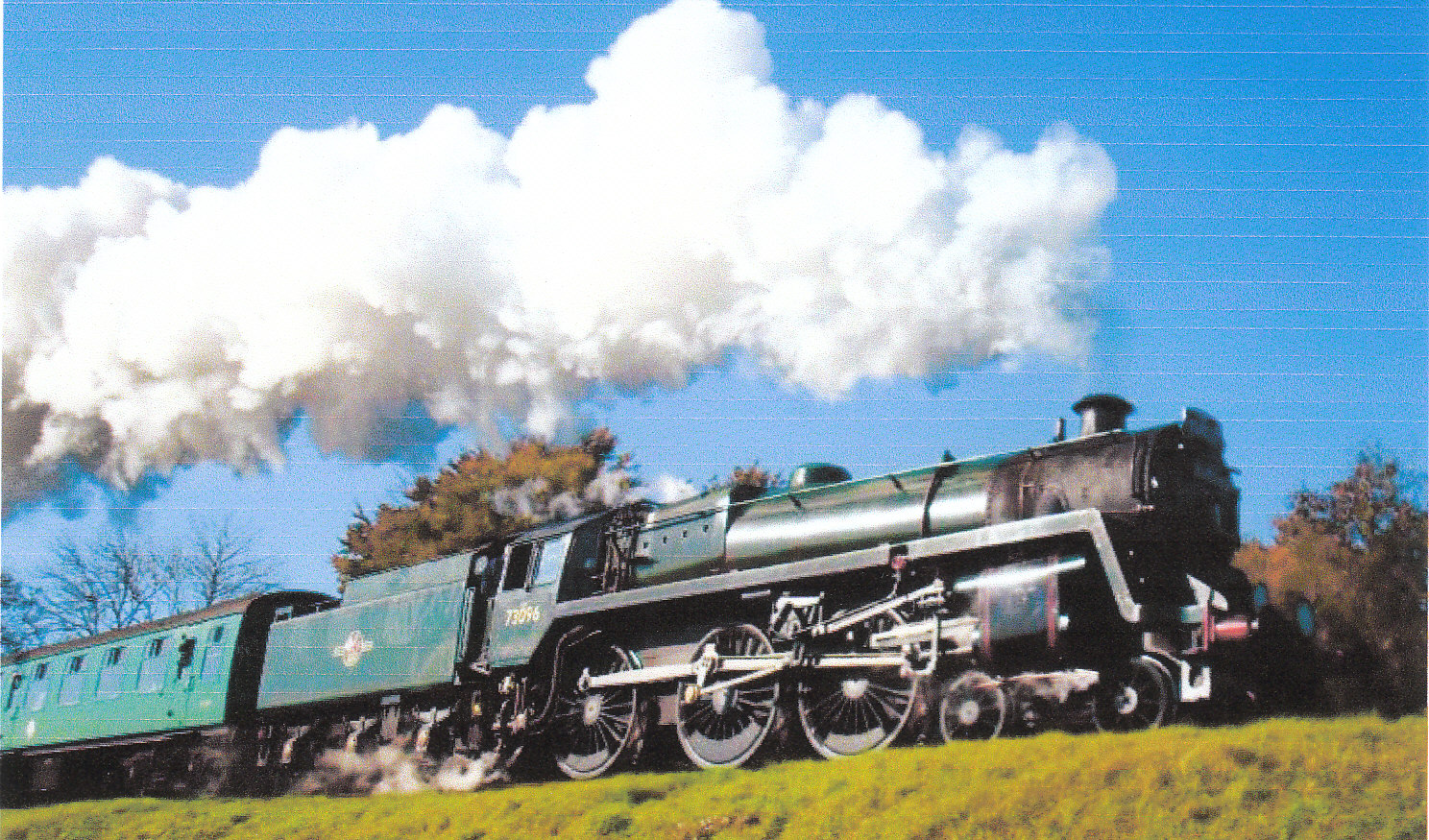
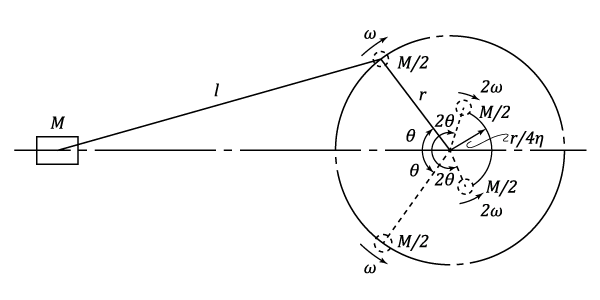
The Balancing of Inertia Forces with particular reference to Engines, Air Compresssors and Steam Locomotives.
General Dynamical Problems
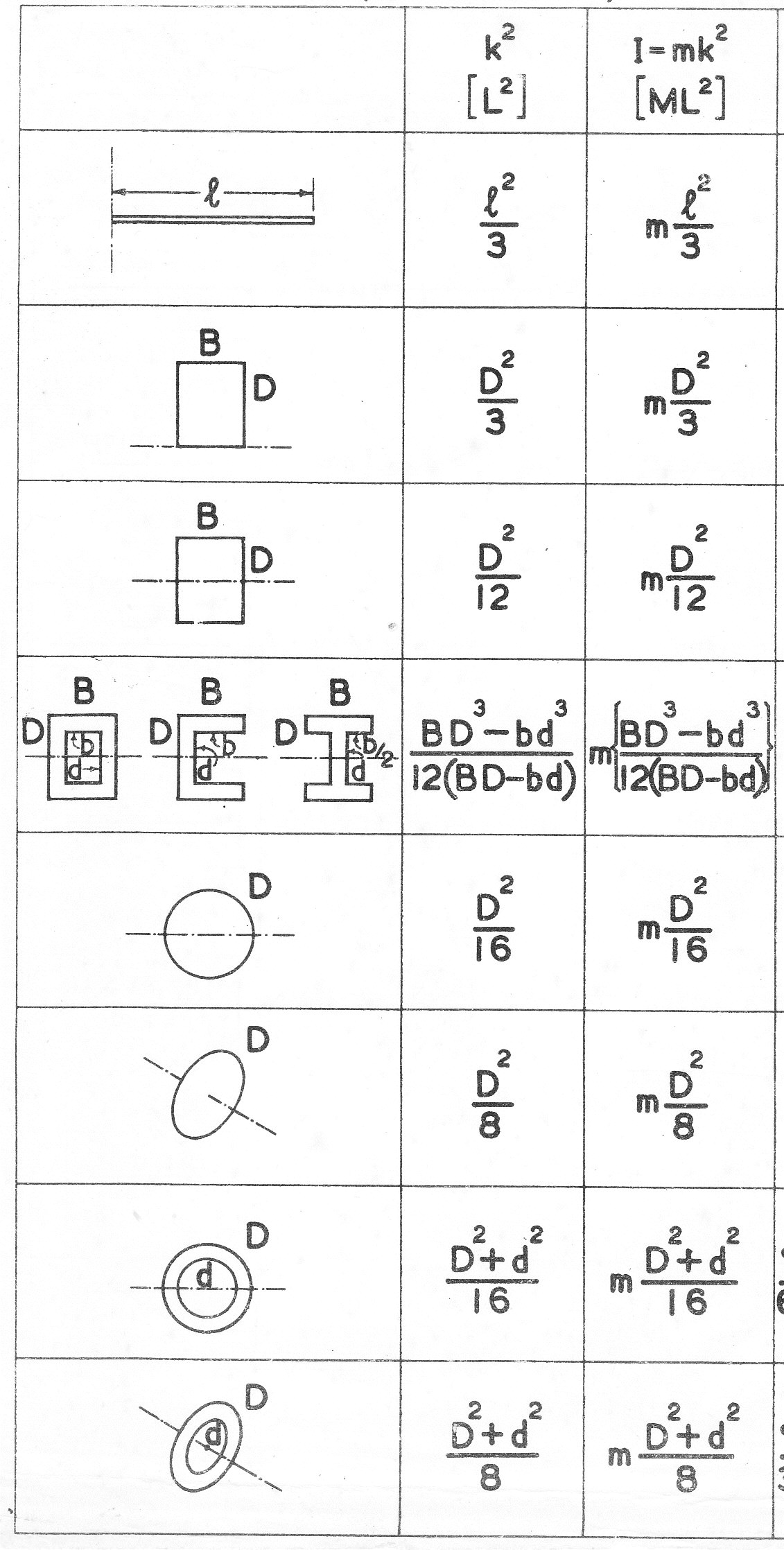
A series of Dynamical Problems that come within the study of machines.
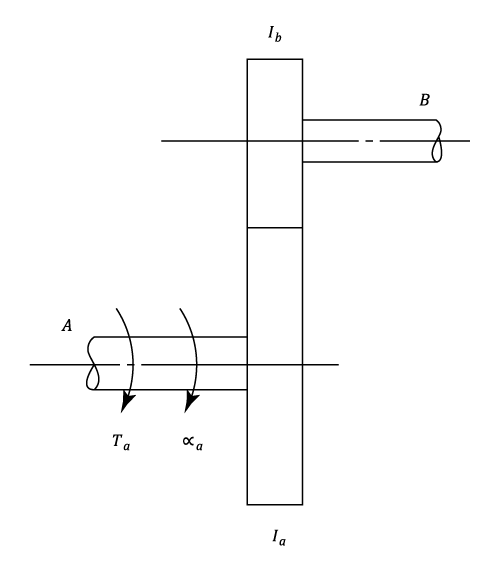
Dynamics of Geared Systems
Acceleration of geared systems, and analysing combined angular and linear motions.
Gyroscopes
An analysis of gyroscopic couples.
