HOME
LIBRARY
PRODUCTS
FORUMS
CART
Tel:
+44 (0) 20 7193 9303
Email Us
Join CodeCogs
Login
Email or Screen Name
Password
Login
I have forgotten
my Password
Or login with:
http://facebook.com/
https://www.google.com/accounts/o8/id
https://me.yahoo.com
COMPUTING
MATHS
APPROXIMATION
CALCULUS
COMBINATORICS
DATA FITTING
DISCRETE
GEOMETRY
AREA
COORDINATE
PURE
SPHERICAL
TRIGONOMETRY
VOLUME
Ellipsoidal Cap
Corners
Pythgen
NOTATIONS
OPTIMIZATION
ROOTFINDING
SPECIAL
STATISTICS
ENGINEERING
FINANCE
UNITS
STRINGS
PHYSICS
New Modules
Updated Modules
Maths
›
Geometry
›
Volume
Ellipsoidal Cap
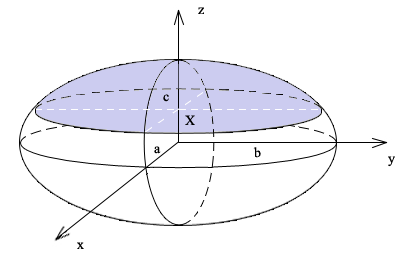
Computes the volume of an ellipsoidal cap.
double
ellipsoidal_cap
(double x, double a, double b, double c)
[inline]

 Login
Login