Recover Password

Or login with:

  • Facebookhttp://facebook.com/
  • Googlehttps://www.google.com/accounts/o8/id
  • Yahoohttp://yahoo.com/

Thermodynamic cycles and the Carnot Cycle

About | FAQ | Contact
About FAQ Contact

A description of thermodynamic cycles and in particular the Carnot Cycle and the proof of it's thermal efficiency

+View other versions (3)

Thermodynamic Cycles

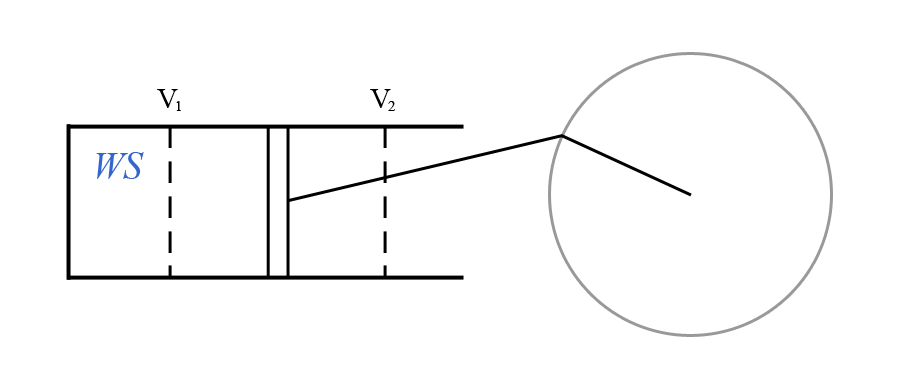
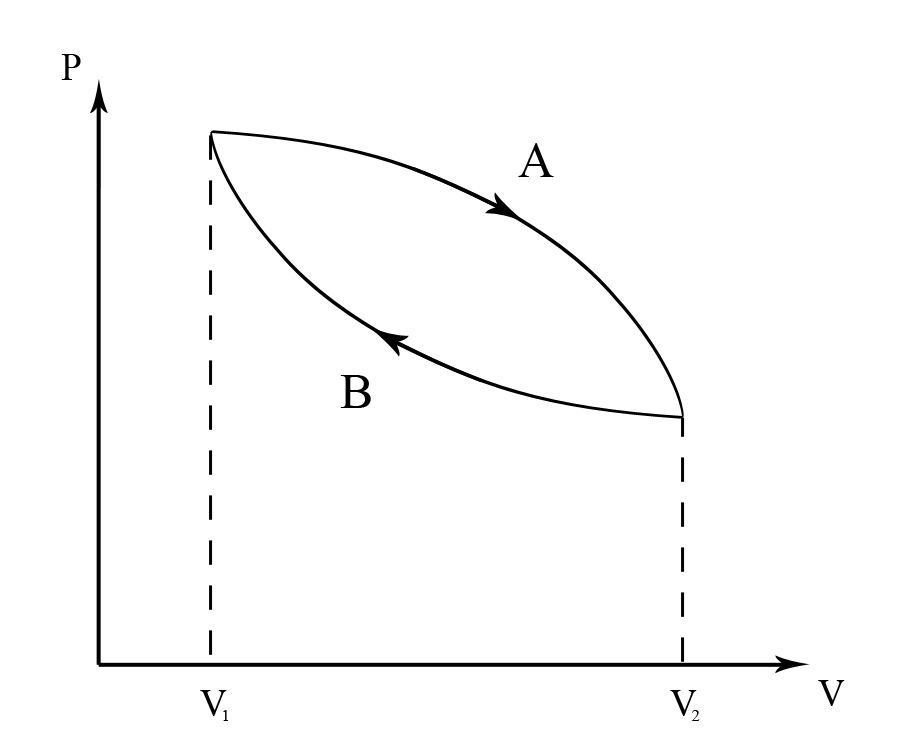
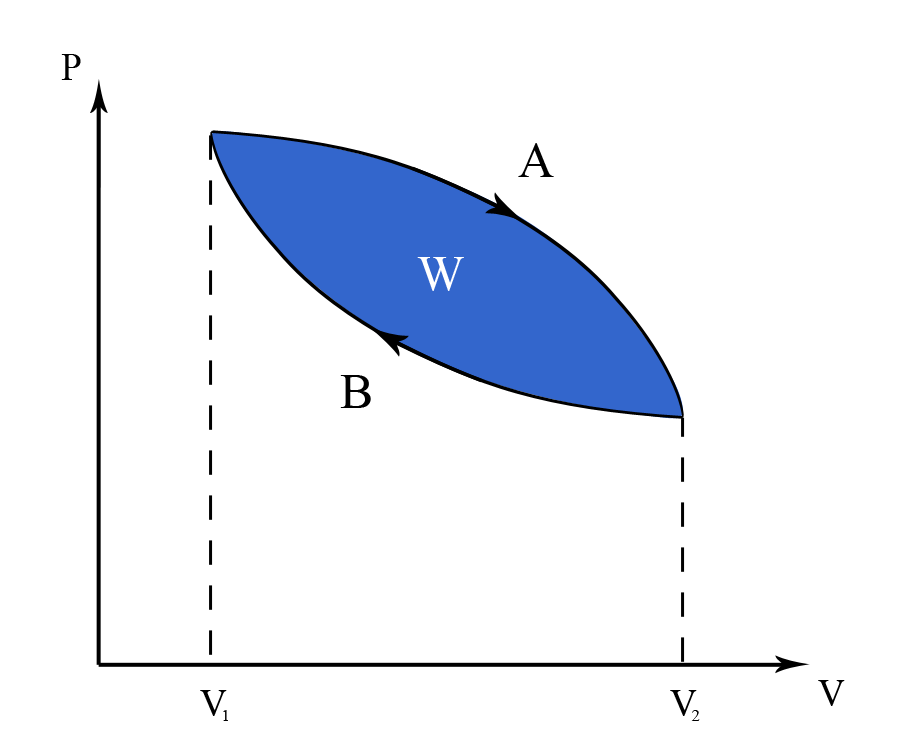
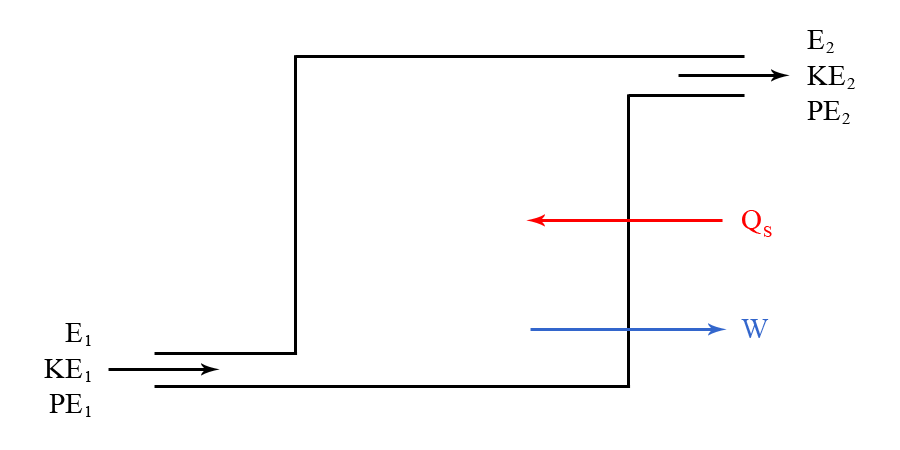
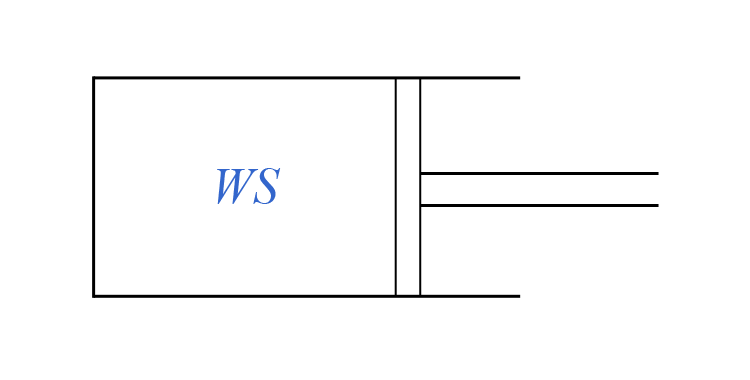
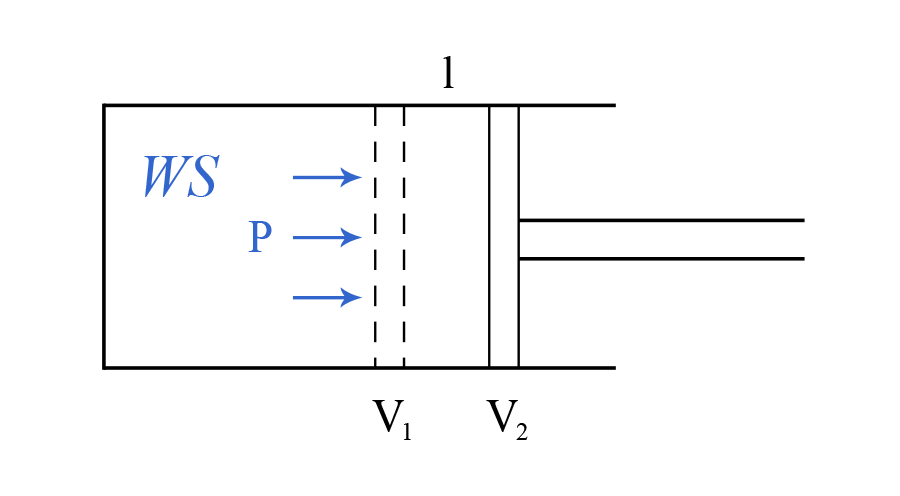
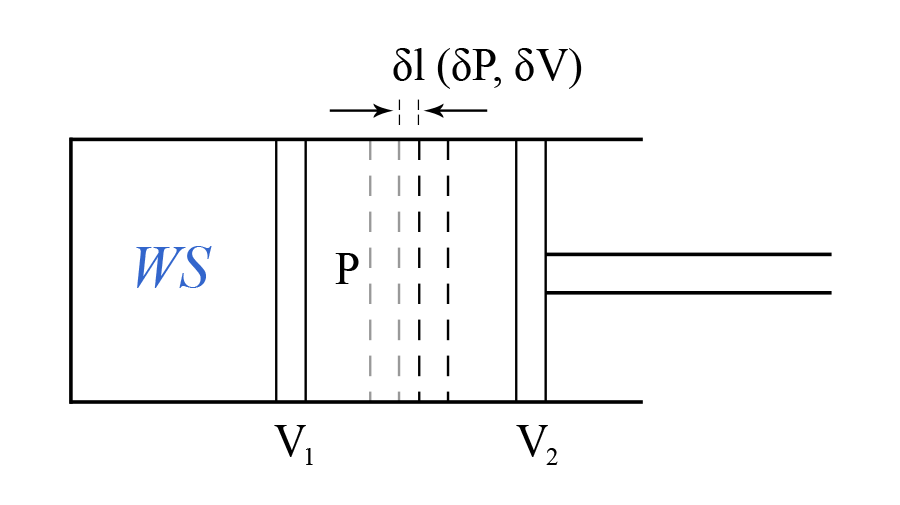
A series of operations carried out on the Working Substance (WS) during which heat is supplied (Q) . There is a work output (W) after which the WS is returned to it's original state.

13108/img_ther1.jpg
+
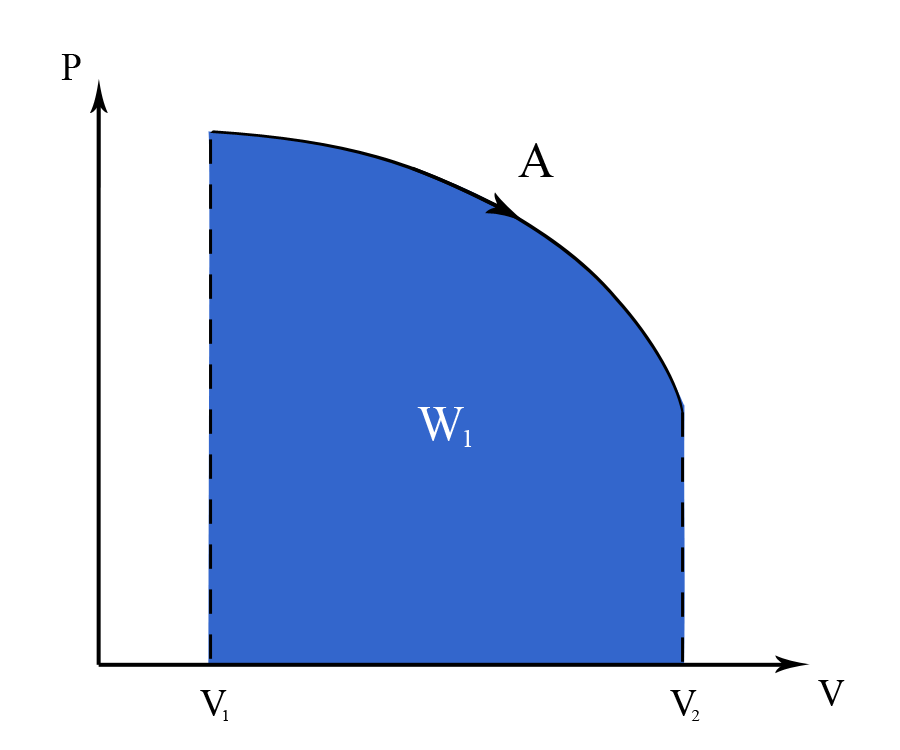
13108/img_ther2.jpg
+

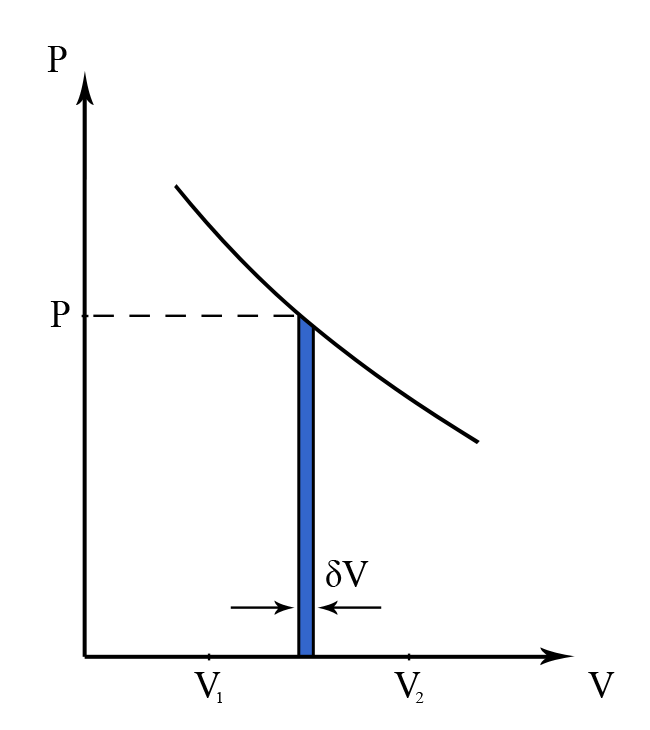
Expansion from V_1 to V_2 and a Work Ouput of W_1
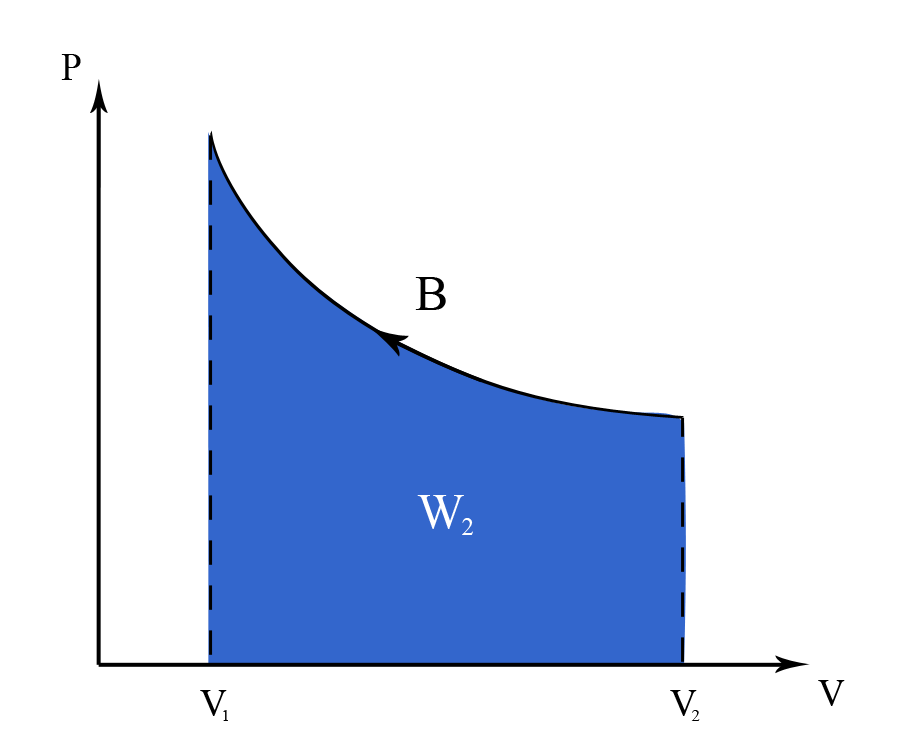
13108/img_ther3.jpg
+

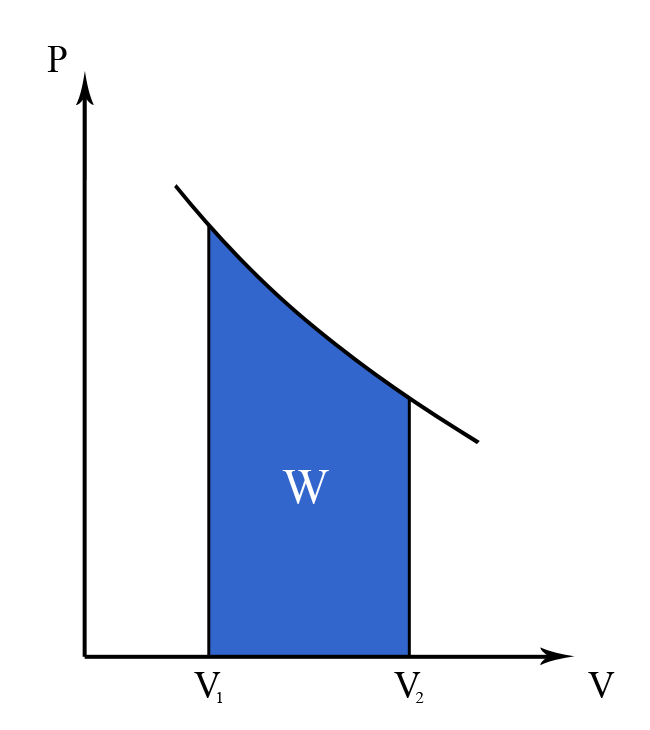
Compression from V_2 to V_1 and a Work input of W_2
13108/img_ther4.jpg
+
The First Law Applied To A Cycle:
By Definition:

The Energy of the WS at the start of the cycle + Heat supplied = Energy of the WS at the end of the cycle + WD +Heat losses.

or Work output = Heat supplied - Heat lost and rejected.

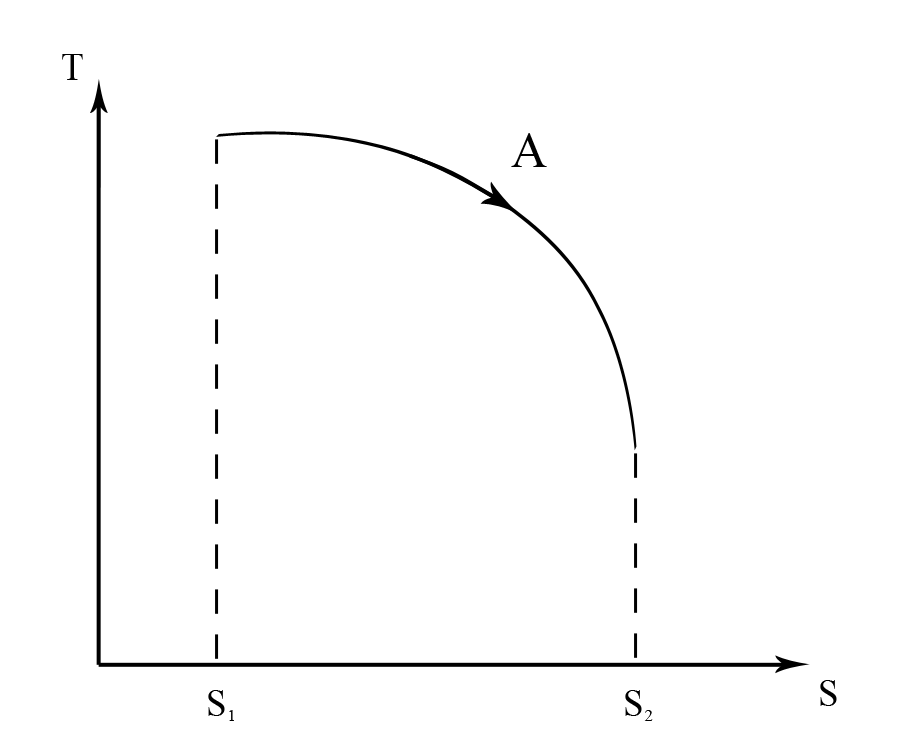
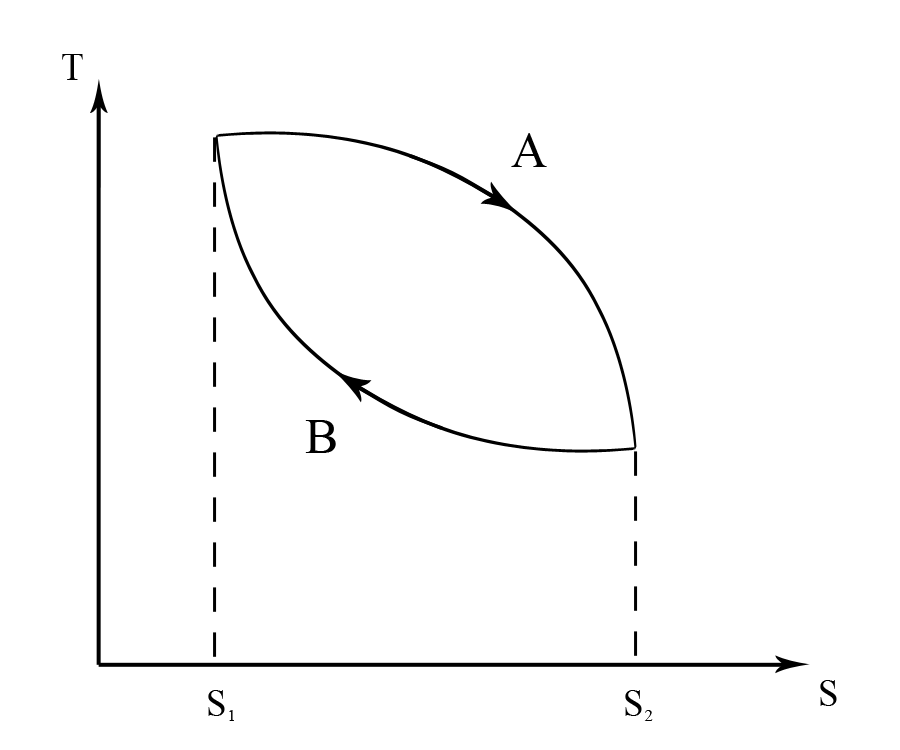
Drawing the cycle on a T \Phi diagram
13108/img_ther5.jpg
+

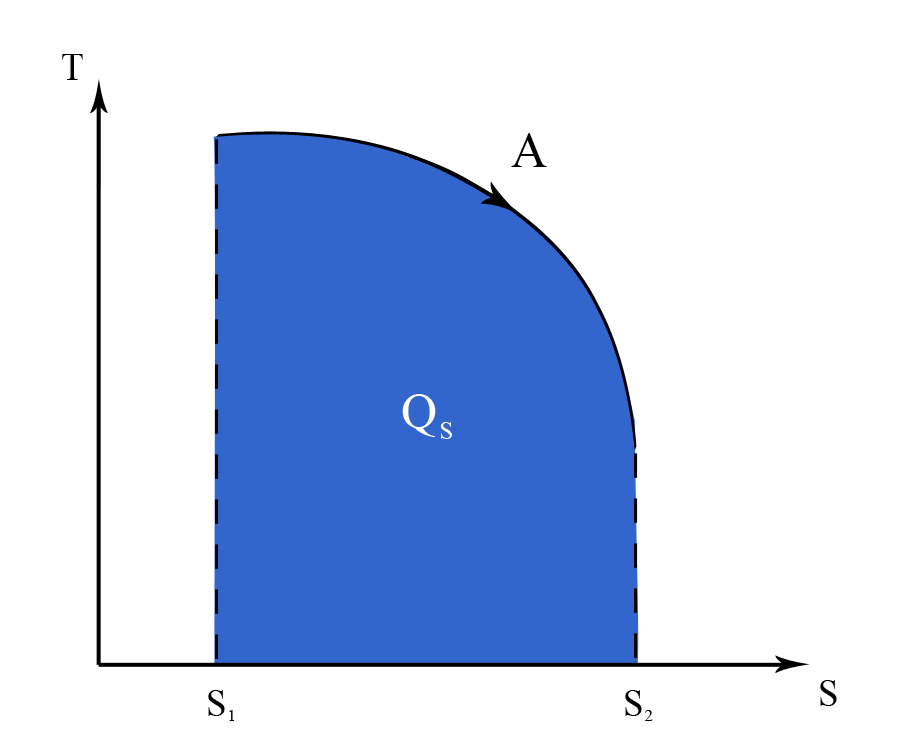
Heat supplied, \Phi, increasing

13108/img_ther6.jpg
+
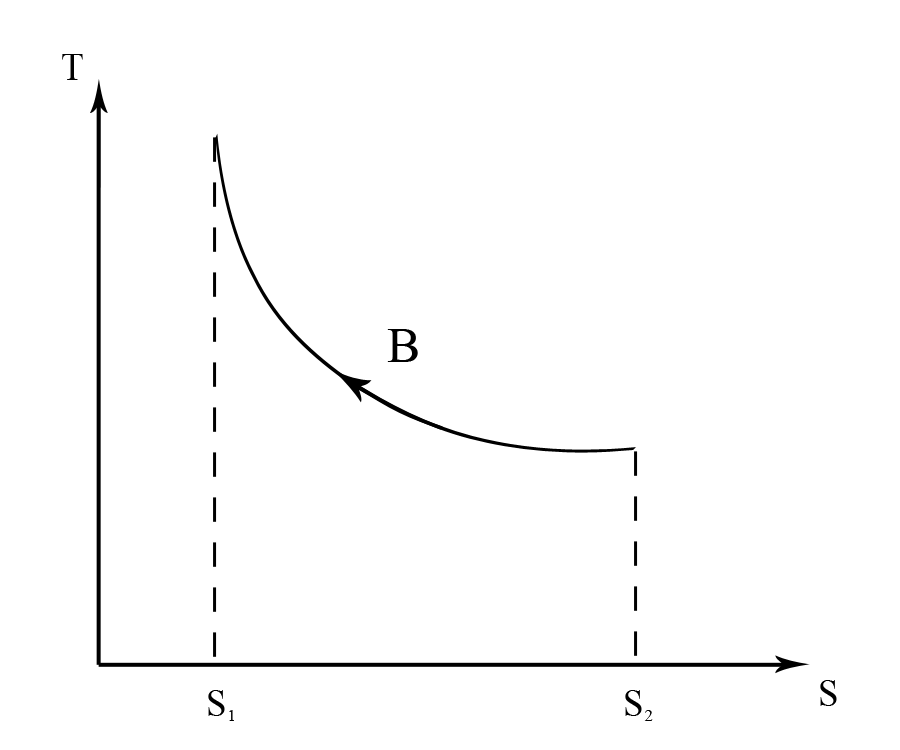
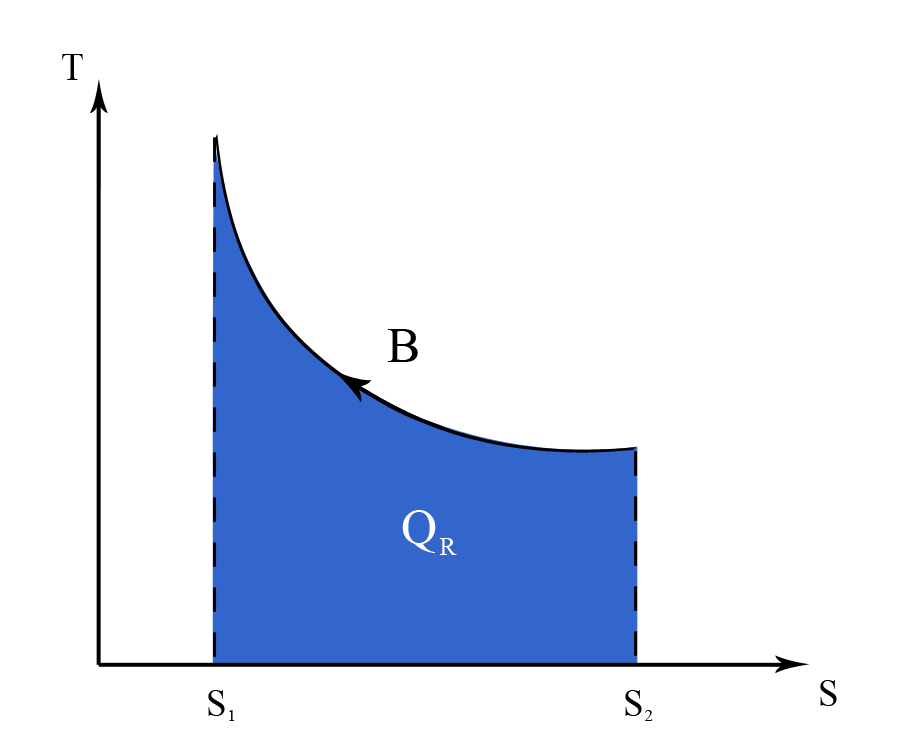
Heat rejected, \Phi decreasing

13108/img_ther_7.jpg
+
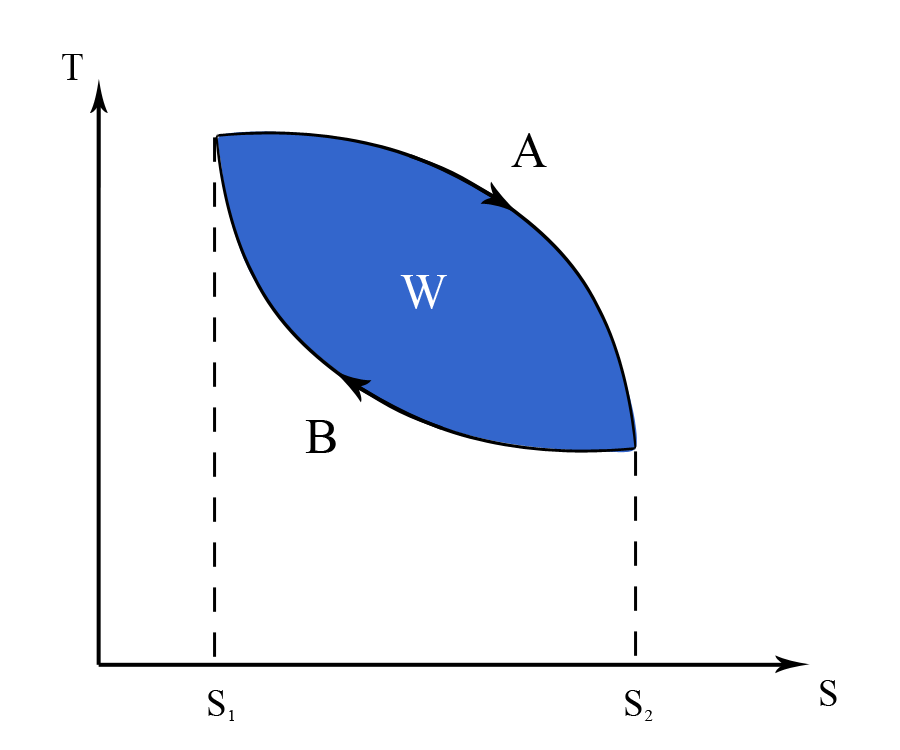
Area of diagram = Q_S - Q_R = Work Done

NOTE: the area of the P V diagram gives the Work Done in ft lbs. The area of the T \Phi diagram gives the work Done in BTUs
The Thermal Efficiency Of A Cycle:
therefore

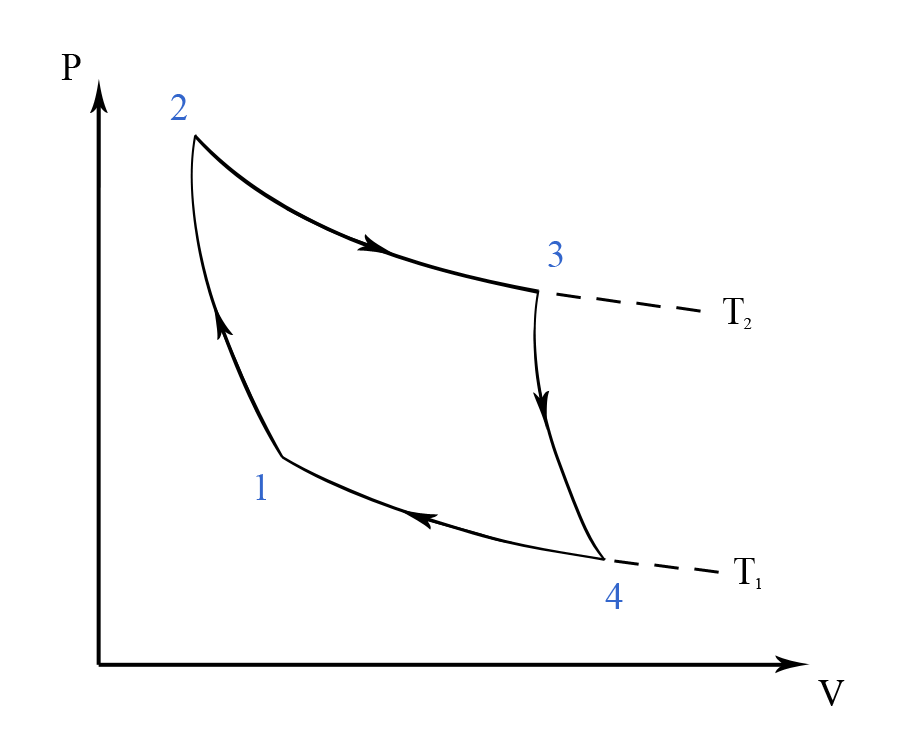
Carnot Cycle

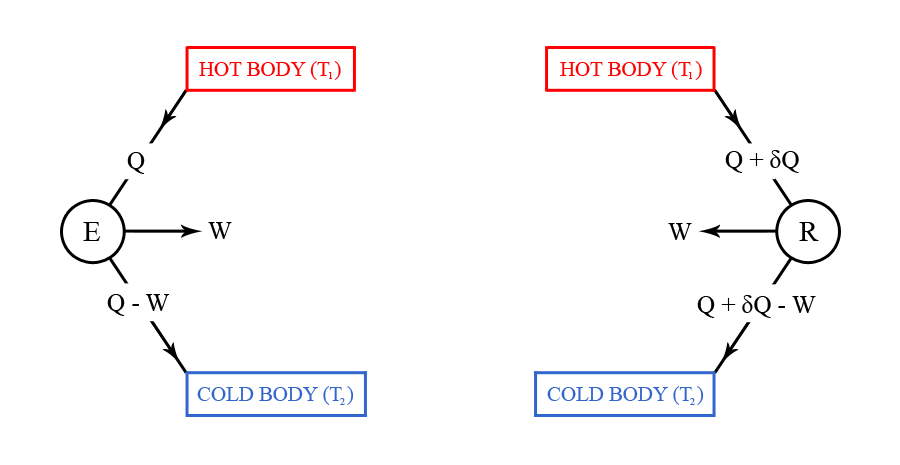
We can obtain the efficiency of the Carnot Cycle and hence the efficiency of any Reversible cycle operating between the temperatures of T_1 and T_2. This then represents the Ultimate Thermal Efficiency. This is then used to compare the efficiencies of other cycles operating between the same two temperatures. The importance of the Carnot Cycle in this role can not be under estimated.

13108/img_threr8.jpg
+

Stage 1 to 2

  • Reversible adiabatic i.e.isentropic, compression of WS from T_1 to T_2

Stage 2 to 3

  • Isothermal heating with expansion.

Stage 3 to 4

  • Adiabatic (reversible) isentropic expansion of WS from T_2 to T_1

Stage 4 to 1

  • Isothermal cooling with Compression.

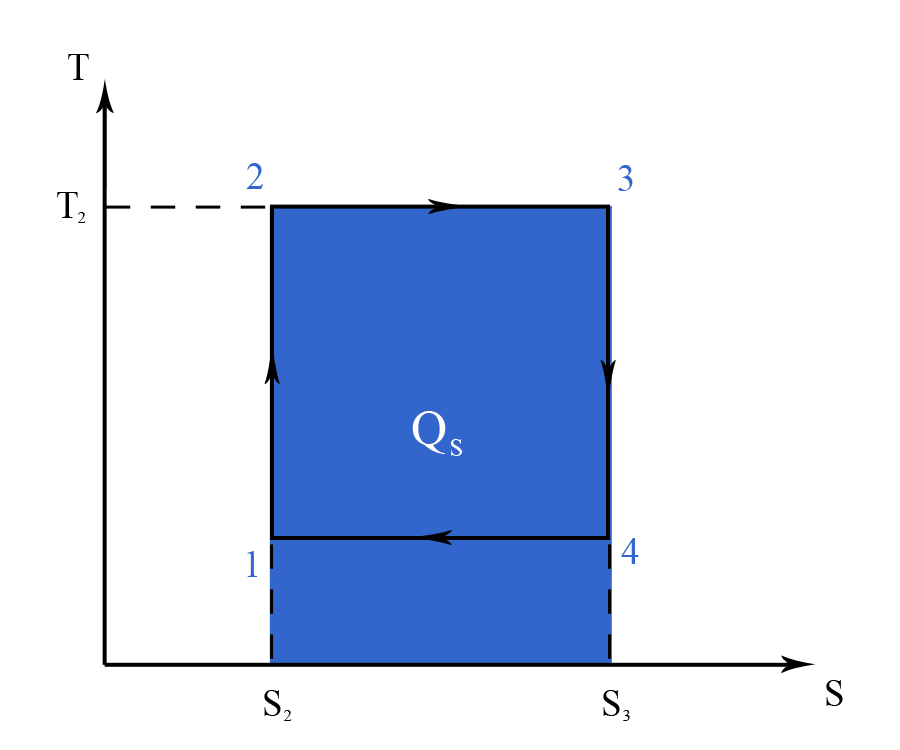
The cycle can also be expressed on a T \Phi diagram.

13108/img_ther9.jpg
+
The Efficiency of the Carnot Cycle

therefore But from the T Q Diagram Therefore

To Improve Efficiency

  • Increase the value of(T_2\;-\;T_1)
  • Lower the general level of Temperature.

It is more advantageous to lower the temperature at which heat is rejected than to raise the temperature at which it is supplied.

The available Energy is
Example 1:
The efficiency of a steam Engine is 52% of the Carnot Efficiency if the steam is supplied at 350^0 F and condensed at 150^0F. Find the heat required to produce 1 HP for 1 minute.

Page Comments

 Format Excel Equations

  You must login to leave a messge

Last Modified: 2009-03-26 08:44:49     Page Rendered: 2010-09-25 08:09:30